
Barnes High Street shop rubbish removal for small businesses
Posted on 28/08/2026
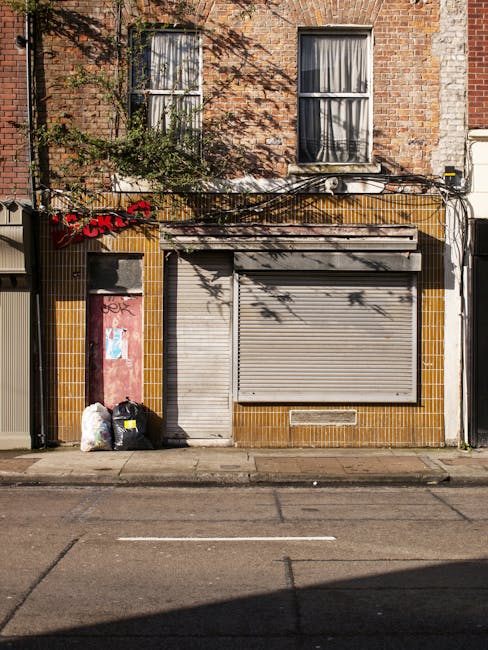
If you run a small shop on Barnes High Street, rubbish has a habit of appearing faster than you can deal with it. One day it is cardboard from a delivery, the next it is broken display packaging, old shelving, or a pile of stock-room clutter that has quietly taken over a corner. Barnes High Street shop rubbish removal for small businesses is not just about "getting rid of stuff"; it is about keeping your shop safe, presentable, and easy to work in without turning every back-room reset into a minor crisis.
That matters even more in a busy local trading environment, where space is limited, customers notice first impressions, and you do not want waste holding up deliveries or making the shop feel cramped. In this guide, we will walk through how shop rubbish removal works, what it usually covers, the practical benefits, compliance points to keep in mind, and how to choose the right approach for a small business in Barnes. A bit of planning goes a long way here. Truth be told, it saves money too.
- Why it matters
- How it works
- Key benefits and practical advantages
- Who this is for and when it makes sense
- Step-by-step guidance
- Expert tips for better results
- Common mistakes to avoid
- Tools, resources and recommendations
- Law, compliance, standards, and best practice
- Options, methods, and comparison table
- Case study or real-world example
- Practical checklist
- Conclusion
- Frequently asked questions
Why Barnes High Street shop rubbish removal for small businesses Matters
For a small retailer, cafe, salon, convenience store, boutique, or specialist shop, waste is more than a tidying job. It affects how your business runs hour by hour. A cluttered stock room can slow staff down, block fire exits, create trip hazards, and make deliveries awkward. On a busy high street, it can also spill into the customer experience. Nobody wants to step around flattened boxes before they have even looked at the window display.
Barnes High Street has that close-knit, walkable feel that many businesses value. But that same character can make waste management a little more awkward than in a larger retail park. Access may be tighter, storage space may be limited, and you may need a collection that works around trading hours rather than interrupting them. That is where a planned rubbish removal service becomes useful instead of merely convenient.
There is also a reputational side to this. A clean frontage, tidy rear area, and sensible waste routine show customers and neighbours that you take your business seriously. Small things count. They always do.
If your shop regularly generates mixed waste, you may also find it helpful to understand broader commercial waste options such as commercial waste removal in Barnes and the wider services overview so you can match the service to the type of waste you actually produce.
Expert summary: The best shop rubbish removal setup is the one that keeps your trading space clear, fits your opening hours, and handles waste legally without you having to think about it every day.
How Barnes High Street shop rubbish removal for small businesses Works
In practice, shop rubbish removal is usually straightforward. You identify what needs to go, decide when it should be collected, and arrange a pickup that suits your shop's routine. The details matter more than the basic idea.
A typical process looks something like this:
- Sort the waste into simple groups such as cardboard, mixed rubbish, packaging, old fixtures, furniture, or electrical items.
- Estimate the volume so you are not over-ordering or under-ordering collection capacity.
- Check access for loading, parking, and safe removal from your premises.
- Book a suitable collection window around opening hours, deliveries, or quieter trading periods.
- Ensure the provider can handle the waste type and provide proper documentation where needed.
- Remove the waste quickly so staff can get back to work and the shop can reopen or continue trading with minimal disruption.
For many small businesses, the real value is not just the lifting. It is the coordination. A good collection is timed so your team does not spend half a day shuffling boxes around the pavement. And let's face it, nobody on a Friday afternoon wants to be the person wrestling a broken garment rail into the back alley.
If you are clearing heavier or bulkier items, the service can overlap with furniture disposal in Barnes or, for general shop refurb items, waste removal in Barnes. If the job includes office-style storage, filing cabinets, or back-office clutter, office clearance in Barnes may be the better fit.
Key Benefits and Practical Advantages
For small businesses, the benefits are very immediate. Some are obvious, others show up only once you have a smoother routine in place.
- More usable space - stock rooms stay workable, and you can actually reach the things you need.
- Safer working conditions - fewer trip hazards, fewer stacked boxes, less chance of someone hurting themselves.
- Better customer presentation - a tidy entrance and window area feels more professional.
- Less staff time wasted - your team can focus on trading, not bin juggling.
- More predictable routines - regular collections reduce "waste panic" before busy days or stock deliveries.
- Cleaner back-of-house operations - it is easier to rotate stock, clean properly, and spot issues early.
There is also a subtle commercial benefit. A shop that looks organised tends to feel more organised. Customers may never consciously say that out loud, but they notice. So do suppliers and passing trade.
For businesses that generate a lot of packaging, a few simple improvements can help. Flatten cardboard as it comes in, keep a clear holding area for collection, and separate recyclables where possible. The idea is not to turn your stock room into a recycling plant. It is just to stop waste from becoming clutter.
For owners who are also thinking about their premises more broadly, local property context can matter too. Articles like local advice on Barnes as a place and the Barnes investment real estate guide can be useful background if you are weighing long-term location decisions for your business. Different context, same practical reality: space in Barnes is valuable.
Who This Is For and When It Makes Sense
This kind of service is ideal for small businesses that produce waste in irregular bursts rather than neat, tiny daily amounts. Think of a shop fitting refresh, a seasonal stock change, an end-of-line clearout, or a delivery-heavy week that leaves you buried in packaging.
It is especially relevant for:
- independent retailers
- boutiques and fashion shops
- beauty and grooming businesses
- small cafes and takeaway-style premises
- gift shops and homeware stores
- newsagents, convenience stores, and small grocers
- pop-up operators and short-term traders
- businesses doing a mild refurb or stock-room reset
It also makes sense when your usual bins are not enough. Maybe the council bin is full before lunch. Maybe your landlord has storage rules. Maybe a supplier dumped more packaging than expected and now you are staring at a wall of cardboard that looks like it has multiplied overnight. A lot of owners recognise that moment.
If your waste is mainly mixed commercial rubbish, the most relevant starting point is usually commercial waste removal. If the waste is mainly furniture, shelving, or shop fittings, the better route may be furniture removal.
Step-by-Step Guidance
Here is a practical way to approach shop rubbish removal without overcomplicating it.
- Do a quick waste audit. Walk through the stock room, till area, and back-of-house zone. Note what is building up and why.
- Separate waste by type. Cardboard, soft plastics, mixed rubbish, old fixtures, and any electrical items should not all be dumped into one vague pile if you can avoid it.
- Measure the pile roughly. You do not need engineering precision. Just estimate whether you are dealing with a few bags, a half-load, or a bigger clearout.
- Check timing constraints. Consider deliveries, customer footfall, staff shifts, school-run traffic, and where the collection vehicle can reasonably stop.
- Confirm safe access. If the waste needs to travel through a narrow corridor or out a rear entrance, make sure the route is clear and safe.
- Choose the right service level. Same-day, scheduled, or one-off clearance all solve different problems.
- Prepare items before collection. Flatten what can be flattened, stack what can be stacked, and label anything unusual.
- Keep records. For commercial waste, you should be able to show that the collection was handled properly. Simple paperwork matters.
That sequence sounds basic, but it saves a surprising amount of hassle. Most collection problems happen because someone left the planning too late. A quick ten-minute check on a Tuesday morning can prevent a very annoying Thursday afternoon.
If the work involves larger quantities, it can help to compare the cost of a small collection against a more intensive clearance. Our own cost-focused content, including Barnes rubbish removal costs in SW13, is useful if you want to understand what tends to affect pricing before booking.
Expert Tips for Better Results
Good waste handling is mostly about small habits. Nothing glamorous. Just good habits repeated.
- Flatten cardboard immediately. It dramatically reduces volume and stops the stock room from becoming a tower of boxes.
- Designate one waste point. If staff know exactly where to put unusable packaging, waste does not spread everywhere.
- Book around quiet hours. Early morning or just after close often works best for smaller shops.
- Keep bulky items separate. One broken shelf can complicate an otherwise simple load if it is buried under loose rubbish.
- Ask about recycling routes. It is worth knowing what can be diverted from general waste rather than assuming everything is mixed.
- Review the routine after busy seasons. Christmas, sale periods, and stock refreshes are when waste patterns change fastest.
A small real-world tip: if you run a shop that gets a lot of deliveries, keep a foldable bag or crate near the unpacking area for wrap, tape, and smaller waste. It sounds almost too simple, but it stops little bits of rubbish from creating visual chaos. By 4 p.m., that matters.
For businesses that want to keep a sharper sustainability angle, the site's recycling and sustainability guidance is a helpful companion read. You do not need to become obsessive about it. Just more intentional.

Common Mistakes to Avoid
Most waste headaches come from a few repeat mistakes. The good news? They are avoidable.
- Leaving waste to stack up for too long. Small messes become awkward jobs very quickly.
- Assuming all waste is the same. Cardboard, electrical items, furniture, and mixed rubbish often need different handling.
- Booking too late on a busy trading day. That is how waste removal turns into a rushed interruption.
- Forgetting access details. If the collector cannot park or load safely, the job takes longer than it should.
- Not checking compliance documents. For commercial waste, this can cause problems later.
- Overfilling storage areas. Stuffing the back room "just for now" usually makes the next clearout harder.
One slightly awkward mistake we see now and then is the "we will deal with it after the weekend" plan. It sounds harmless. Then Monday arrives, the shop is busy, and the same pile of waste is still there, only a bit more smug. Not ideal.
If your waste includes old appliances or chilled display units, those items may need a more specific approach, such as white goods and appliance disposal in Barnes. Better to sort that early than discover it at the last minute.
Tools, Resources and Recommendations
You do not need fancy systems to manage shop waste well. A few simple tools are usually enough.
- Stackable boxes or crates for separating reusable materials from rubbish.
- Heavy-duty sacks for mixed rubbish where appropriate.
- Permanent marker labels for marking waste types or collection zones.
- Measuring tape if you want a rough idea of waste volume before requesting collection.
- Fold-up trolley for moving boxes safely if the premises layout is awkward.
- Digital calendar reminders so collections are not forgotten during busy periods.
When choosing a provider, look for a business that can clearly explain what they take, how they handle loading, and what happens to different waste streams. It should feel straightforward, not confusing. If the explanations are woolly, that is usually a sign to pause.
For broader service planning, the waste carrier licence and compliance information is worth understanding, and the insurance and safety page can help you think through risk and responsibility. If you are comparing booking options, the pricing and quotes guidance may also be useful.
Law, Compliance, Standards, and Best Practice
For small businesses, rubbish removal is not only a practical issue. It is also a compliance issue. You do not need to turn into a legal specialist, but you do need to know the basics.
Commercial waste should be managed by a legitimate carrier, and businesses should keep appropriate records for waste transfers where required. In plain English: make sure the waste is being collected by someone who is allowed to take it, and do not hand it over to a dodgy van with no paperwork. That is where people get into trouble.
Good practice also means separating hazardous or specialist items from general rubbish. If you are not sure whether something is classed as specialist waste, stop and ask before it goes out with the rest. That applies to things like electrical equipment, damaged fixtures with fittings, and some display materials.
It is also wise to follow sensible on-site safety habits:
- keep exits and walkways clear
- avoid overloading bags or boxes
- do not drag heavy items across floors if you can lift or trolley them safely
- store waste where it will not attract pests or create odours
- separate sharp or broken items carefully
Many businesses also keep a simple written routine for collection days. Not because anyone loves paperwork, but because it reduces mistakes. Small shop. Small team. Big advantage when everyone knows the drill.
If you want to understand a provider's standards more broadly, pages such as about us, terms and conditions, privacy policy, accessibility statement, payment and security, and modern slavery statement can provide reassurance about how the business operates.
Options, Methods, and Comparison Table
There is no single "best" way to deal with shop rubbish. The right method depends on volume, timing, and the type of waste you generate.
| Method | Best for | Advantages | Watch-outs |
|---|---|---|---|
| Regular small commercial collections | Ongoing packaging and mixed shop waste | Predictable, tidy, low disruption | Needs a consistent routine |
| One-off shop clearance | Refits, end-of-season resets, stock changes | Fast and practical | Can be pricier if left until the last minute |
| Same-day removal | Unexpected waste spikes or urgent clean-ups | Quick relief, good for emergencies | Availability can vary |
| Specialist item disposal | Furniture, appliances, bulky fittings | Safer handling, better suited to heavy items | Must match the item type correctly |
In a shop setting, regular collections usually work best when waste is predictable. If your business changes seasonally, a one-off clearance or a mixed approach can make more sense. And if something urgent happens - say, a delivery turns into a mountain of packaging two hours before opening - same-day help may be the cleanest answer.
If you are weighing urgency against budget, the article on same-day rubbish collection near Barnes Bridge Station gives a useful sense of what speed-oriented collection can look like in the local area.
Case Study or Real-World Example
Picture a small independent gift shop on Barnes High Street preparing for a seasonal refresh. The owner has new stock arriving, some old shelving to remove, a few broken display pieces, and several weeks of cardboard from supplier deliveries. Nothing dramatic. Just enough to make the back room feel tight and make stock rotation awkward.
They start by flattening all the cardboard and separating any reusable packaging. Next, they set aside the old shelving and a damaged counter unit so those items do not get mixed with the lighter rubbish. They then choose a collection time before opening, when the pavement is quieter and staff can help move the waste quickly.
The result is simple but powerful. The shop reopens with a cleaner stock area, staff can move more freely, and the new display lands properly instead of being squeezed into a half-clear room. The owner also avoids that slightly panicky feeling of having too much waste around customers. Everyone wins. Well, everyone except the clutter.
This kind of job is exactly where thoughtful planning beats last-minute effort. It is not dramatic. It is just one of those things that makes a business feel calmer.
Practical Checklist
Use this before any shop rubbish removal booking:
- Have I sorted waste into sensible categories?
- Do I know roughly how much needs collecting?
- Are any items bulky, sharp, heavy, or special-case?
- Is the access route clear for staff and collectors?
- Have I picked a time that avoids my busiest trading window?
- Do I know where the waste will be placed before collection?
- Are paperwork and compliance needs clear?
- Have I checked whether cardboard, furniture, appliances, or mixed rubbish need different handling?
- Have I told staff what to move and what to leave alone?
- Will this collection actually solve the problem, not just move it around?
If you can answer "yes" to most of those, you are probably in good shape.
One final practical note: if your business also has domestic-style overflow waste from staff areas or mixed premises use, it can sometimes help to compare the commercial route with domestic waste collection in Barnes. Not because they are the same, but because hybrid premises can be a bit messy around the edges.
Get a free quote today and see how much you can save.
Conclusion
For small businesses on Barnes High Street, good rubbish removal is really about keeping the shop practical, safe, and ready to trade. When waste is handled well, everything else feels easier: staff move better, customers see a cleaner space, and you spend less time dealing with small frustrations that add up over a week.
The best approach is rarely the fanciest one. Usually it is the one that fits your opening hours, matches the waste you actually produce, and keeps you compliant without making life harder. Start with a simple audit, plan around your busiest times, and keep the routine steady. That alone solves a lot.
And if the pile by the stock room is looking a bit too familiar today, that is okay. It happens. The important thing is to clear it properly, not just pretend it will sort itself out by Tuesday.